
Choosing the right printable vinyl is essential for creating outdoor graphics that maintain their appearance and adhesion over time. Among the commonly used self-adhesive PVC films, monomeric vinyl and polymeric vinyl are two popular options. Although they may look similar after printing and installation, their material formulations give them different performance characteristics.
Monomeric vinyl is generally used for short-term graphics and relatively simple surfaces, while polymeric vinyl is designed to provide better dimensional stability and longer outdoor performance. Understanding these differences can help determine which material is more suitable for signage, vehicle graphics, window advertising, and other printed applications.
What Is the Difference Between Monomeric and Polymeric Vinyl?
Both monomeric and polymeric vinyl are commonly produced through a calendaring process. During manufacturing, PVC resin is combined with plasticizers and other additives to create a flexible film that can be printed, cut, and applied to different surfaces.
The main difference lies in the type of plasticizer used in the PVC formulation.
Monomeric vinyl uses relatively small-molecule plasticizers. These molecules have a greater tendency to migrate within the film or toward its surface over time. This can gradually affect the film's flexibility, dimensional stability, and interaction with the adhesive layer.
Polymeric vinyl uses larger-molecule plasticizers with lower migration tendencies. This helps the film maintain its physical properties for longer, reducing shrinkage and improving dimensional stability during extended use.
As a result, polymeric vinyl is generally more suitable for outdoor graphics that require longer service life and more consistent performance. However, the actual results still depend on the complete film construction, adhesive formulation, surface preparation, and environmental conditions. <Cite refs={["turn578276search12","turn578276search13"]}/>
Monomeric Vinyl vs Polymeric Vinyl: Key Performance Differences
Although both materials are used for printed graphics, monomeric and polymeric vinyl differ in dimensional stability, outdoor durability, flexibility, and printing performance.
1. Dimensional Stability and Shrinkage
Monomeric vinyl is more prone to shrinkage over time, especially under heat and changing weather conditions. This can cause edges to lift and affect graphic alignment. Polymeric vinyl uses plasticizers with lower migration tendencies, helping it maintain its dimensions and reduce edge shrinkage during long-term use.
2. Outdoor Durability and Weather Resistance
Monomeric vinyl is generally suitable for temporary outdoor advertising, while polymeric vinyl is better suited to medium- and longer-term applications. Its formulation helps maintain physical stability under UV exposure, rain, humidity, and temperature changes. Actual service life depends on film quality, ink, lamination, installation, and climate.
3. Flexibility and Surface Conformability
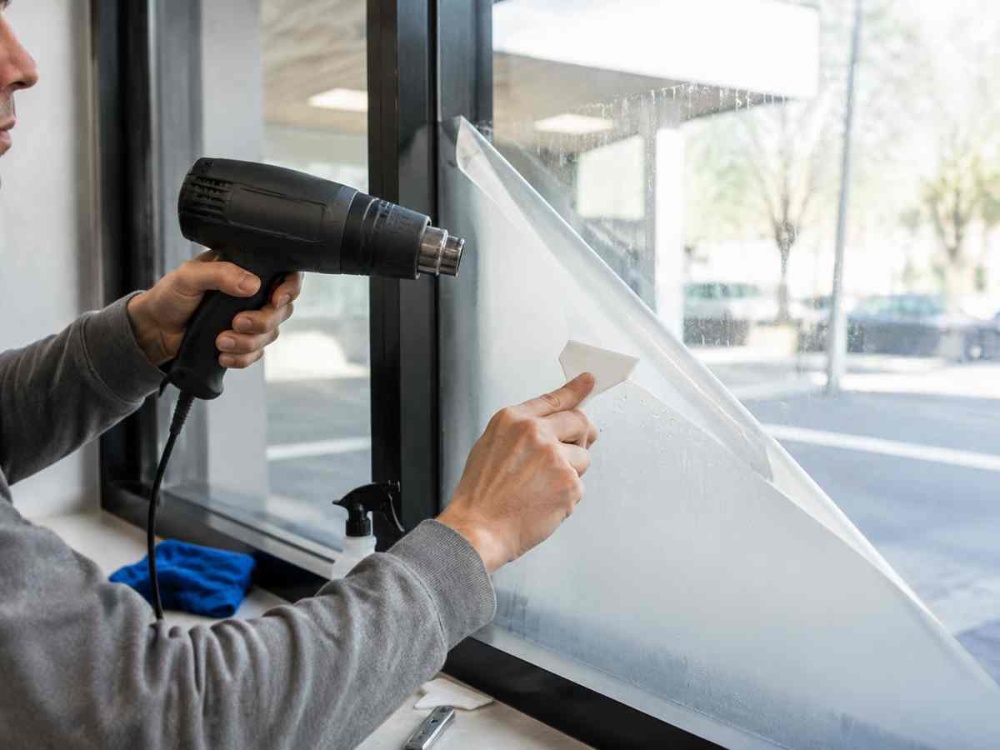
Monomeric vinyl is mainly designed for flat, smooth surfaces. Polymeric vinyl offers greater flexibility and can accommodate gently curved surfaces, making it suitable for selected vehicle graphics and display panels. However, cast vinyl is generally more appropriate for deep recesses and complex contours.
4. Printing Performance and Image Appearance
Both vinyl types can support solvent, eco-solvent, UV, or latex printing, depending on their specifications. Print quality depends on surface treatment, ink compatibility, and printing conditions. For outdoor graphics, compatible cold lamination film can provide additional protection against abrasion, dirt, and environmental exposure.
Which Vinyl Is Better for Different Outdoor Graphic Applications?
Neither monomeric nor polymeric vinyl is suitable for every project. The right choice depends on the expected service period, surface condition, exposure level, and required graphic performance.
Monomeric Vinyl for Short-Term Outdoor Graphics
Monomeric vinyl is a practical option for applications where the display period is relatively short and the installation surface is flat and smooth.
Typical applications include:
▶ Temporary promotional graphics and seasonal advertising
▶ Short-term event signage and exhibition displays
▶ Indoor retail graphics and point-of-sale displays
▶ Temporary window advertisements
For these applications, the material's expected service period may be more important than long-term dimensional stability.
Polymeric Vinyl for Longer-Term Outdoor Graphics
Printable PVC Polymeric Vinyl is more suitable when outdoor graphics need to maintain their appearance and adhesion over an extended period.
Common applications include:
▶ Outdoor advertising signs and large-format graphics
▶ Storefront and commercial window graphics
▶ Vehicle decals and fleet graphics on suitable surfaces
▶ Building graphics and outdoor promotional displays
▶ Long-term branding and decorative graphics
Its improved dimensional stability makes it particularly useful for graphics exposed to sunlight, temperature variations, and regular outdoor weather conditions.
For vehicle applications, the surface shape and installation requirements should be evaluated carefully. Polymeric vinyl is generally suitable for flat or gently curved areas, while complex vehicle contours may require a dedicated cast film.
How to Choose the Right Printable Vinyl for Outdoor Use
Selecting a suitable vinyl involves more than comparing whether a film is monomeric or polymeric. Several technical factors work together to determine the performance of the finished graphic.
Application surface: Flat glass, metal panels, painted surfaces, and gently curved vehicle panels have different requirements. The film should be compatible with the intended substrate.
Expected service life: Temporary promotions may not require the dimensional stability of polymeric vinyl. For longer-term outdoor graphics, polymeric formulations are generally more appropriate.
Printing compatibility: Confirm that the printable PVC film is compatible with the intended solvent, eco-solvent, UV, or latex printing system. Ink adhesion and color performance should be evaluated using the actual printing conditions.
Adhesive properties: Adhesive strength, removability, and compatibility with the application surface all influence the finished result. The adhesive should be selected according to the required bonding performance and removal conditions.
Protective lamination: For graphics exposed to sunlight, abrasion, or frequent cleaning, a compatible overlaminate can help protect the printed surface. Both the vinyl and laminate should be evaluated as a complete system.
Considering these factors together helps reduce common problems such as edge lifting, premature shrinkage, poor ink adhesion, and surface deterioration.
Why Choose Printable PVC Polymeric Vinyl for Outdoor Graphics?
When outdoor graphics require a balance of print quality, dimensional stability, and weather resistance, Printable PVC Polymeric Vinyl offers several practical advantages over standard monomeric films.
Its polymeric plasticizer formulation helps reduce migration and shrinkage, supporting more consistent graphic dimensions during extended use. Its flexibility also makes it suitable for a wider range of applications, including flat panels and selected gently curved surfaces.
Combined with a compatible adhesive, suitable printing technology, and protective lamination where required, polymeric vinyl can provide a reliable material solution for outdoor signage, storefront graphics, vehicle decals, and large-format advertising.
The key is to match the film's actual technical specifications with the application environment rather than relying on the material category alone.